
Shingles lifted along ridges and edges
Wind gets under the perimeter first. Shingles that look seated can still have a broken seal underneath, which is why this is hard to judge from the ground.
Premier storm damage restoration services: get your home back on track with Lamar Homes.
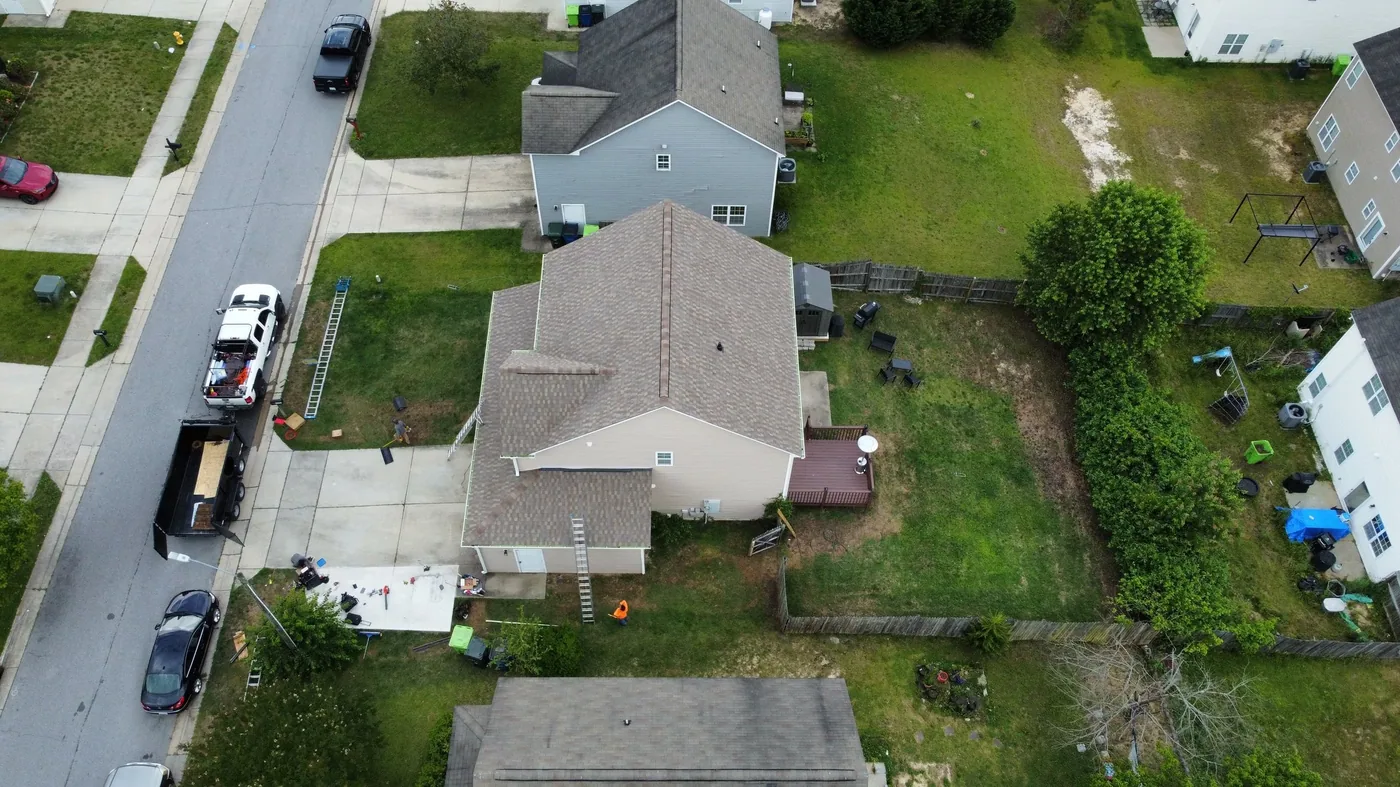
Don’t wait for the leak to show up inside. Most policies have a filing window, and documenting the damage early is what gets a claim approved. We inspect free, photograph everything, and deal with your insurer for you.
Storms in the Triangle do two kinds of damage to a roof. The obvious kind takes shingles off and puts a limb through the decking. The other kind leaves the roof looking untouched from the driveway while water is already getting underneath.
Wind is usually responsible for the second kind. It lifts shingles along the ridge and the edges, breaks the adhesive seal that holds them down, then drops them back into place. Nothing looks wrong until the next heavy rain drives water under them. Hail does something comparable, bruising the mat beneath the surface without always cracking it.
That is why an inspection after a storm is worth doing even when you cannot see a problem from the ground, and why photographs taken early matter so much to a claim.
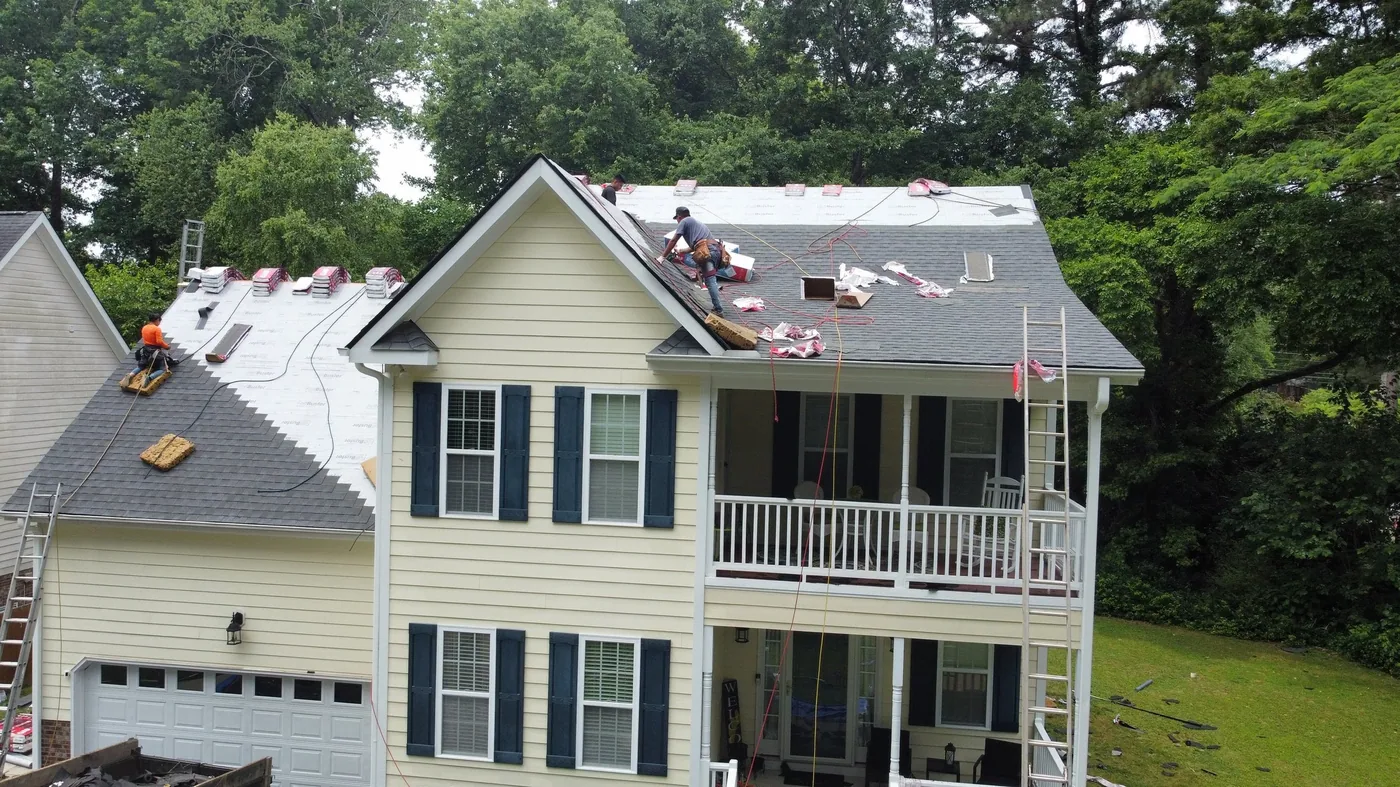
The order matters, and step two is the one people skip.
Stay off the roof. A storm-damaged roof is weaker than it looks and wet shingles are slick. If a limb is through the decking or wiring is involved, keep everyone out of the rooms underneath.
This is the step that decides how the claim goes. Take photos from the ground on every side of the house, of any debris that came off, and of every stain or drip inside. Once a tarp goes on or debris is cleared, that evidence is gone.
Buckets inside, and emergency tarping outside. Most policies treat reasonable emergency measures as covered, so keep every receipt.
Write down the claim number and the adjuster’s name. Opening it early is better than waiting, because the longer the gap between the storm and the claim, the harder it is to show the storm caused the damage.
The adjuster works for the insurer. Having your own photographs, measurements and written report means the conversation starts from evidence rather than from their estimate.
After a big storm, people knock. Be careful with anything that assigns your insurance benefits to a contractor. Read it, and do not sign under pressure.
Wind gets under the perimeter first. Shingles that look seated can still have a broken seal underneath, which is why this is hard to judge from the ground.
After hail, check the bottom of the downspouts. Coarse grit that looks like sand is the shingle surface coming off.
Gutters, vents and flashing dent before shingles visibly crack, so they are often the clearest evidence that hail actually hit your property.
Water travels along decking and rafters before it comes through a ceiling, so interior damage often shows up well after the storm has passed.
Our team of skilled professionals will conduct a thorough inspection of your property to assess the extent of the storm damage. From the roof to the foundation, we meticulously examine every detail.
Your roof is often the first line of defense against storm damage. Whether it's missing shingles, leaks, or structural issues, our experienced roofing specialists will restore and repair your roof.
Your gutter system plays a critical role in diverting water away from your home. Storms can damage gutters, leading to improper drainage and potential water damage.
Navigating the insurance claims process can be overwhelming, but we're here to help. Our knowledgeable team has extensive experience in dealing with insurance companies and will guide you through it.
Yes. Wind commonly breaks the adhesive seal between shingles without moving them out of place, so the roof looks untouched from the ground while water is already getting underneath. The inspection is free either way.
Policies vary, and most set a deadline measured from the date of loss, so check yours. Either way, open it sooner rather than later. The longer the gap between the storm and the claim, the harder it becomes to show that the storm caused the damage.
That depends on your policy, your history and your carrier, and we cannot tell you what yours will do. It is a fair question to put to your insurer or agent directly before you decide.
Yes. If a storm has opened the roof up we can tarp it to stop the water while the full repair is scheduled, and we document the damage before covering anything.
And more. Don’t see your city? Call (984) 224-7182.
We get on the roof, photograph what is actually there, and hand you a written report with a price. No charge, and no obligation to book the work with us. If the roof has years left in it, that is what the report will say.
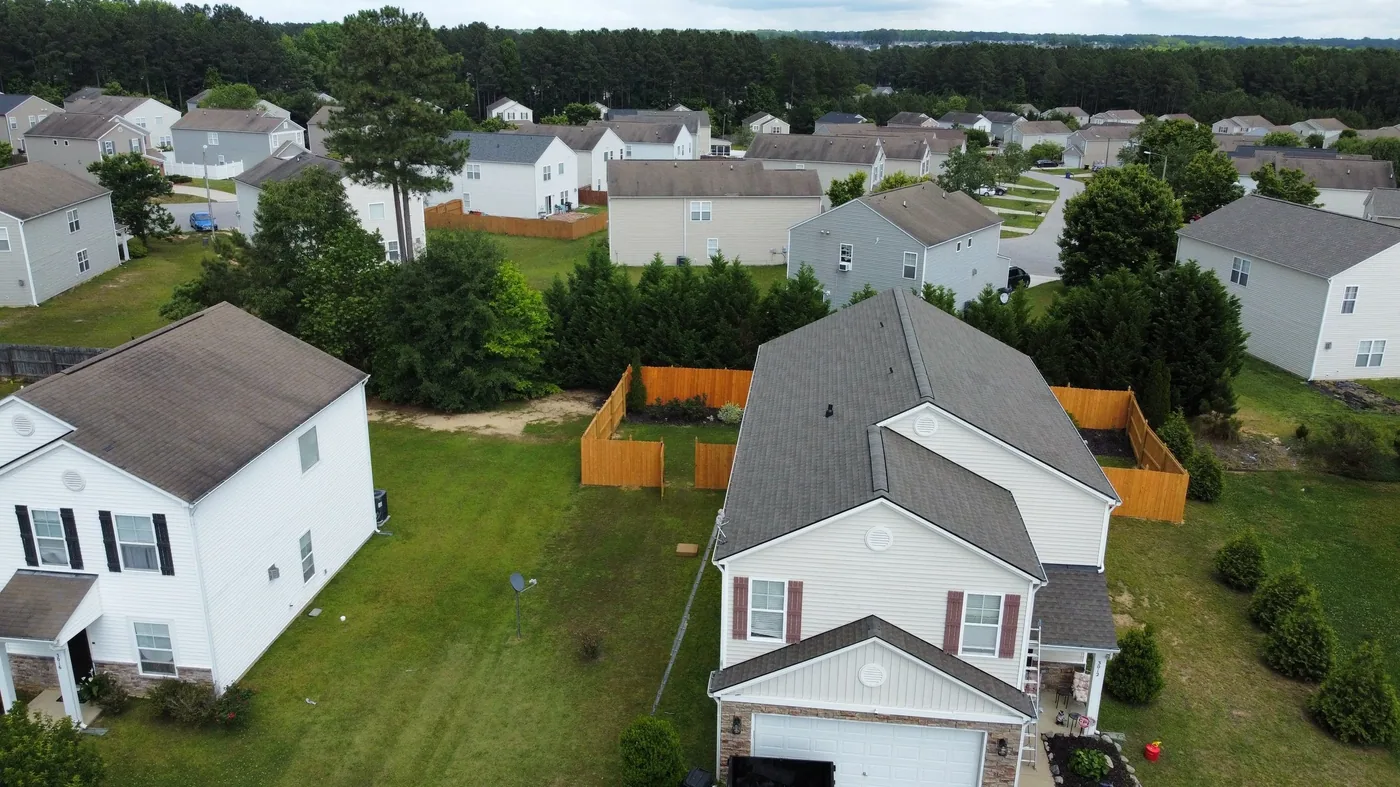
Whether you need a roof replacement, roof repair, or annual inspection, we’ve got you covered.