
Veteran Discounts Available
Home
Recent Projects
Contact
Schedule Appointment Call (984) 224-7182
Guide

The Best Deck Sealer, and What a Clear Finish Cannot Do

Four clear finishes worth considering, and one thing to understand before you buy any of them. A sealer stops water. Pigment stops UV. A clear sealer has no pigment, so it will not keep your deck looking new.

First, the distinction

Sealer against stain, in one table

This is the single most common misunderstanding about deck finishes, and it is what sends people back out every spring.

Clear sealerSemi-transparent stainSolid stain
Stops waterYesYesYes
Stops UV grayingBarelyYesMost of all
Changes the colorNoTints itCovers it
Grain still visibleFullyYesNo
Years between coats1 to 22 to 64 to 6
Peels when it failsNoNoYes

If you want the deck to keep its color, you want a stain. A sealer is the right product for composite, for brand new timber that is still too wet to stain, or where you genuinely want no color change.

The sealers

Four clear finishes worth considering

Ordered by what each one is best at rather than price, because the price differences here are small and the use cases are not.

Oil-based clear waterproofing sealer, best water repellency

clear finish no pigment, so no color change and limited UV protection.

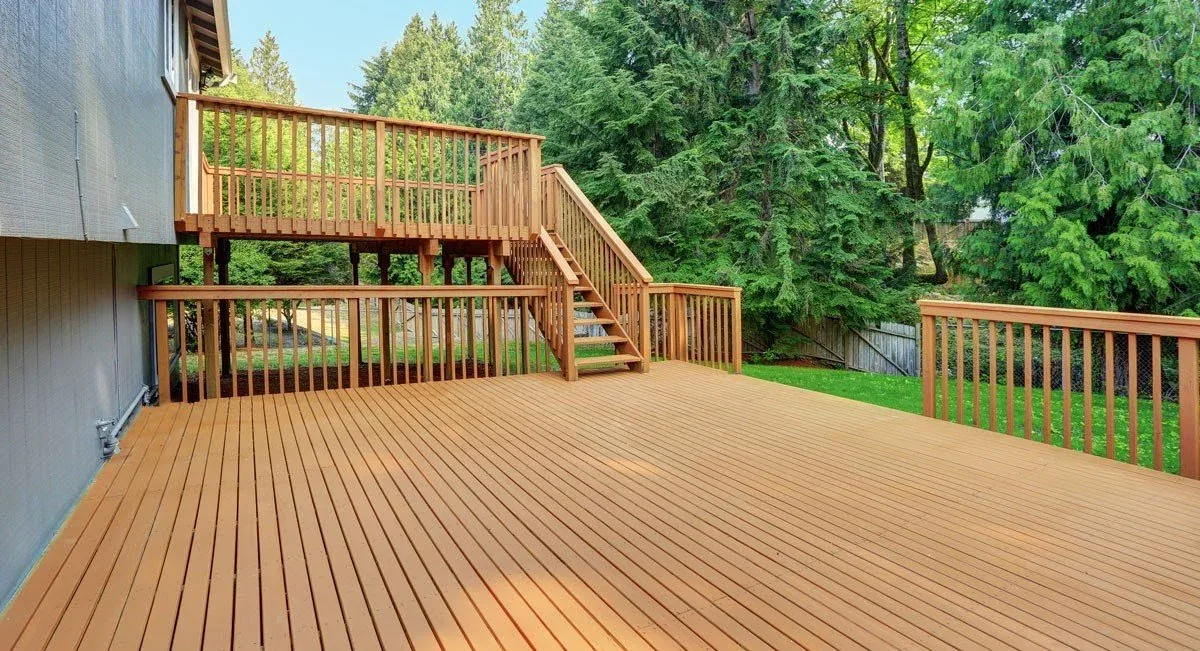
Penetrating oil that leaves no pigment behind. Water beads off it and stays off, and on a deck where you want the timber to look exactly like timber this is the product. Olympic's oil-based clear is the one most often named for longevity in this category.

The catch. No pigment means almost no UV protection, so the deck will still go gray on schedule. It repels water, which is a different job from keeping the deck looking new.
Water-based clear sealer with UV blockers, best compromise if you want clear

clear finish no pigment, so no color change and limited UV protection.

A water-based penetrating sealer with zinc or similar particles that absorb some UV without adding visible color. Defy Extreme Clear is the product most reviewers put at the top of this category, and it works on composite as well as wood.

The catch. Some UV protection is not pigment-level UV protection. You slow the graying rather than stopping it, and you are still recoating every year or two.

Multi-surface waterproofer, best value, and the one everyone has used

clear finish no pigment, so no color change and limited UV protection.

The budget end, Thompson's WaterSeal being the obvious example. It waterproofs, it costs very little, it goes on with a pump sprayer, and tested water beading was still holding at twelve months. For a fence, a retaining wall or a deck you are not precious about, it is enough.

The catch. Twelve months of good performance is twelve months. On a deck in full sun this is an annual job, and the labor of doing it annually costs more than better product would have.

Composite deck sealer, the only sealer a composite deck might need

clear finish no pigment, so no color change and limited UV protection.

Formulated for capped and uncapped composite rather than timber. On an older uncapped composite deck that has gone chalky it restores some color and slows further fading, which nothing else on this list will do.

The catch. A modern capped composite needs no sealer at all, and sealing one can void the warranty. Check what you actually have before you buy anything.

Product observations from Bob Vila's tested deck sealer reviews, including the twelve month water beading result on Thompson's WaterSeal.

The honest version

When a sealer is the right call

There are three cases where a clear sealer is genuinely the correct product, and a lot of marketing that suggests there are more.

The first is a composite deck that has gone chalky, where a composite-specific sealer restores some color. A modern capped composite needs nothing, and sealing one can void the warranty, so check what you have.

The second is new pressure-treated timber. It is too wet to take stain for weeks or months, and a water repellent in the meantime stops it drinking rain while it dries out. The third is anything you are not precious about: a fence, a retaining wall, a utility deck.

Everywhere else, pigment is what you are missing. Our deck stain guide ranks the pigmented finishes by how long each lasts, and the stain calculator works for sealer too.

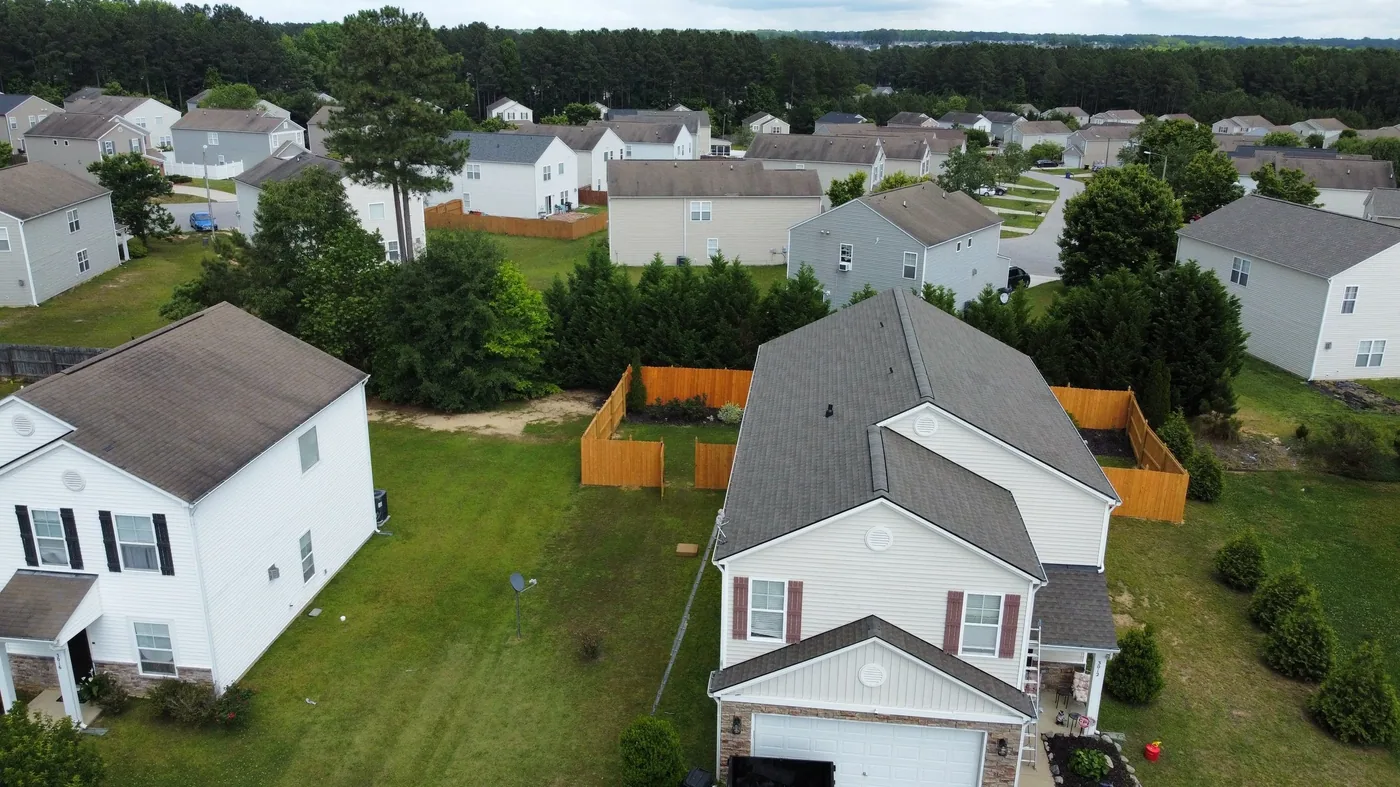
Deck cleaned and refinished by Lamar Homes
Questions

Deck sealer questions

What is the difference between deck stain and deck sealer?

A sealer repels water. A stain repels water and adds pigment, and pigment is what blocks the UV that greys timber. If you want the deck to keep its color, you want a stain. If you only want water off it, a sealer is enough.

What is the best deck sealer?

For a wood deck where you want no color change, a water-based clear with UV blockers like Defy Extreme Clear. For pure water repellency on a fence or a utility deck, a multi-surface waterproofer does the job for very little money.

How long does deck sealer last?

One to two years on a deck in Carolina sun, and the budget products are at the lower end. Tested water beading on Thompson's WaterSeal was still holding at twelve months, which is good for the price and still an annual job.

Do I need to seal a new deck?

Eventually, not immediately. New pressure-treated timber is too wet to absorb anything, and sealing it then just leaves product sitting on the surface. Wait until water soaks in rather than beading.

Should I seal a composite deck?

A modern capped composite, no, and sealing it may void the warranty. An older uncapped composite that has gone chalky, maybe, with a product made for composite. Check which you have first.

Can I seal over an old stain?

Over a penetrating stain that has faded, usually yes, after cleaning. Over a solid stain or any film that is peeling, no, because you would be sealing the peeling layer in place. Our deck stain guide covers which finishes recoat cleanly.

How much sealer do I need?

Roughly the same arithmetic as stain: deck area plus railing at three square feet per linear foot, at 200 to 300 square feet a gallon. The deck stain calculator works for sealer too.

Keep reading

Related guides and calculators

Sealers are the lightest option. These cover the alternatives.

Free on-site inspection

Get your deck looked at, free

We get on the roof, photograph what is actually there, and hand you a written report with a price. No charge, and no obligation to book the work with us. If the roof has years left in it, that is what the report will say.

  • Free inspection, no obligation to buy
  • Personalized written estimate
  • Financing and insurance claim support
  • Residential and commercial properties

Give us a call or fill out our form today to schedule your free inspection!

Whether you need a roof replacement, roof repair, or annual inspection, we’ve got you covered.

Call Now Free Inspection