
Do not use a power washer
ARMA says high-pressure washing is likely to damage asphalt roofing. IKO adds that it can break the shingle adhesive and strip granules.
The safest roof moss removal on asphalt shingles is to loosen the moss with a moss-specific cleaner, rinse at low pressure and lift off what comes free by hand. Never use a pressure washer, brush or broom: they strip the granules that protect the shingle. If the moss is thick or the roof is steep, call a roofer first.

| Method | What the sources say | Watch out for |
|---|---|---|
| Moss-specific cleaner, bleach-free | IKO’s first suggestion: an EPA-rated moss cleaner, sprayed on, left for the time on the label, then rinsed at low pressure. | Rinse every trace off. Leftover cleaner can damage shingles. |
| Zinc sulfate | OSU Extension: 3 pounds of powder in 9 gallons of water covers 600 to 1,000 square feet. Applied with a pump sprayer after cleaning the roof. | Do not use it if you have copper gutters, downspouts or flashing. Zinc corrodes copper. |
| Potassium salts of fatty acids | OSU Extension: soap-based, biodegradable and noncorrosive. It kills moss by damaging cell membranes. | Keep spray off surrounding plants. |
| Diluted bleach or dish soap mix | IKO: two cups of bleach in two gallons of water, or eight ounces of dish soap in two gallons. Leave 15 to 20 minutes, then rinse gently. | Strong bleach can permanently damage shingles. Wet roofs are slippery. |
| Pressure washer, brush or broom | ARMA and IKO: do not use them on asphalt shingles. | Strips granules, breaks the adhesive and can cause leaks. |
| Metal strip along the ridge | IKO: copper, zinc or galvanized strips help stop new growth over time. | It prevents regrowth. It will not clear moss already there. |
Sources: IKO, OSU Extension and ARMA. Check your own shingle maker’s instructions first, because other methods may void a limited warranty.
Moss needs shade and moisture. OSU Extension says the plant depends on shade to thrive, so the slopes that stay damp under trees are the ones that grow it first.
IKO explains why it matters for shingles. Moss holds water against the roof, slows drainage and can work its way under shingles, lifting them. That uplift gives water a path into the layers below.
OSU also notes that moss can look dead in dry weather and recover after one rain. Dry moss is not gone moss.
Dark streaks on a roof are often algae, not moss. ARMA says algae discoloration should not be confused with moss, and that it typically shows as streaks rather than localized clumps.
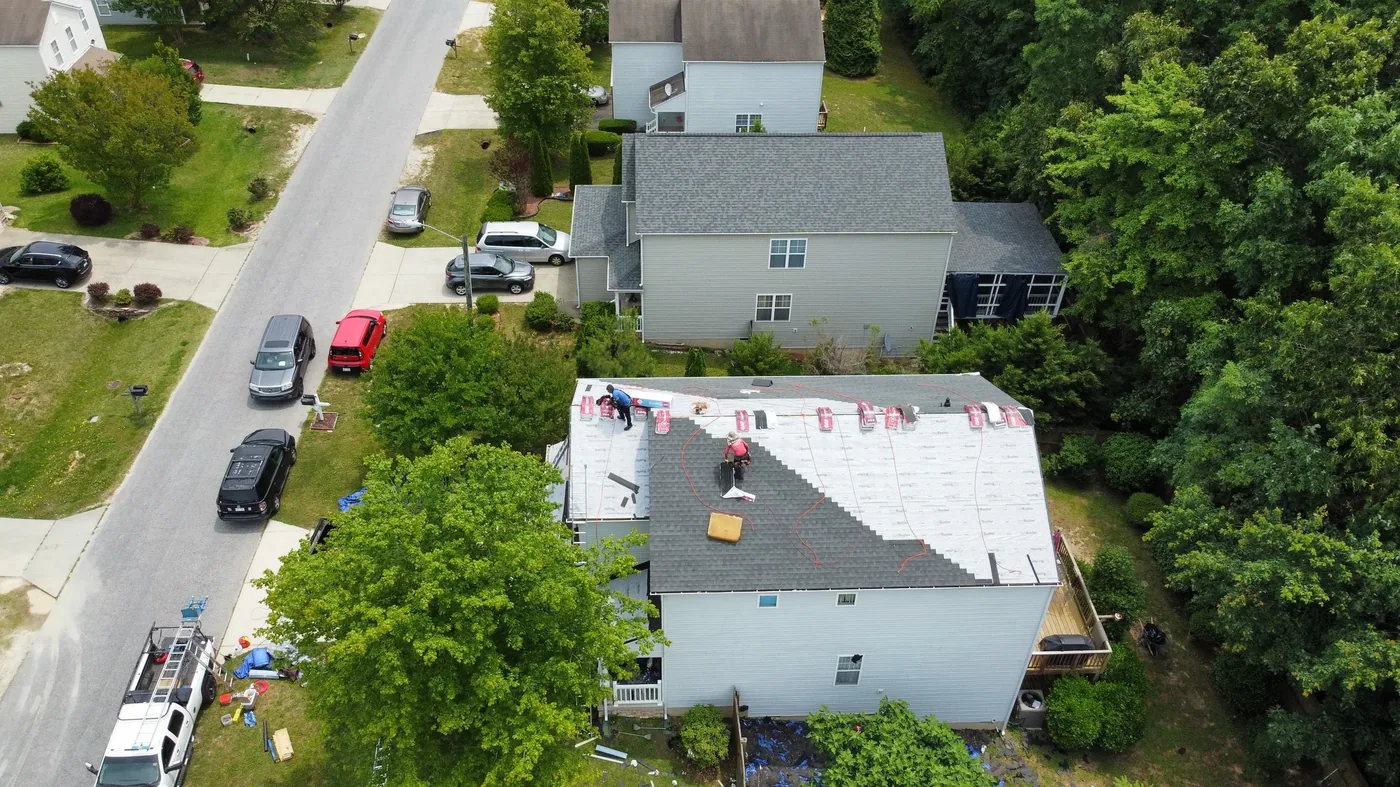
Based on IKO’s step-by-step method. Work from a ladder where you can.
Place the ladder on stable ground near the moss. Spray a moss-specific cleaner, or a homemade mix, onto the moss. IKO advises not stepping on the roof for this job.
Follow the cleaner’s instructions. For a homemade spray, IKO says to leave it on for 15 to 20 minutes.
Use a garden hose on low pressure. Do not aim a pressurized spray under the shingles, because it can lift them and create a leak. Rinse off all the cleaner.
Gently lift loosened moss into a garbage bag clipped to the ladder, keeping one hand on the ladder.
If moss is still stuck, do not reach for a brush or a pressure washer. IKO says to ask a professional roofer what to do next.
ARMA says high-pressure washing is likely to damage asphalt roofing. IKO adds that it can break the shingle adhesive and strip granules.
ARMA names brushes and brooms. IKO says scrubbing is likely to damage asphalt shingles and remove their granules.
IKO warns that high concentrations of bleach and other chemicals may permanently damage shingles. ARMA notes bleach makes the roof slippery.
OSU Extension and ARMA both advise caution. ARMA recommends that only trained professionals work on a roof.
We are not putting a dollar figure on it, because we could not source one we trust. The price moves with four things: roof size and pitch, how thick the moss is, whether the work is DIY or hired, and the method.
If you do it yourself, the cost is the cleaner, a sprayer and a ladder. Our best roof cleaner guide compares products and lists prices with their sources.
Lamar Homes does not list moss removal as a service. We do offer a free roof inspection, which tells you whether moss has already damaged the shingles.
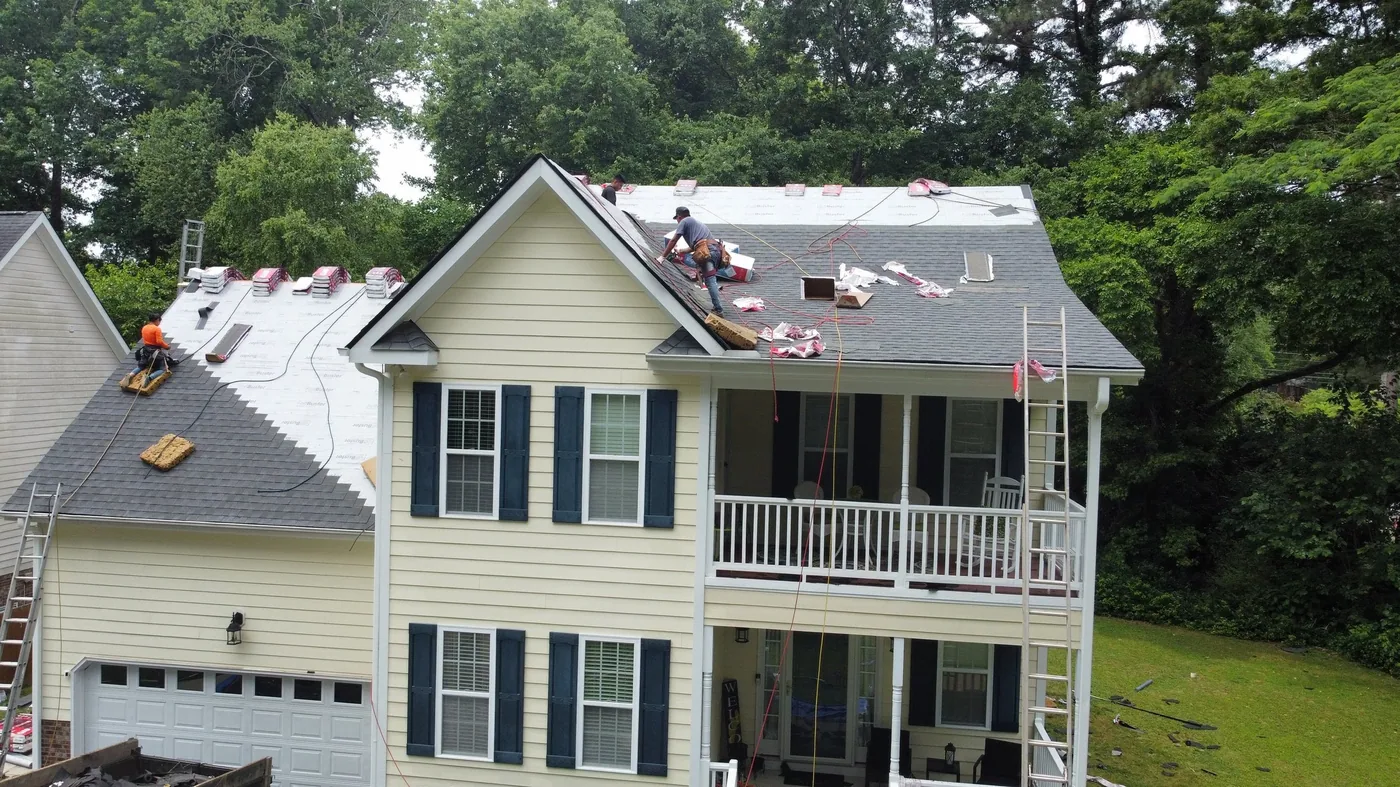
OSU Extension calls trimming nearby trees the most effective long-term fix. As Jay Pscheidt of OSU puts it, you have to let the sun in or the moss will return.
IKO says a copper, zinc or galvanized strip at the ridge can stop moss, algae and lichen over time. It works on new growth only.
IKO says roofers should inspect and clean gutters at least yearly, because backed-up water attracts moss.
Call when the moss is thick, the roof is steep or wet, or you can see shingles lifting. IKO says a severe infection may mean replacing shingles the moss has damaged.
Our roof inspection is free. A GAF Certified inspector photographs what is there and gives you a written report. If shingles are damaged, our roof repair team can fix them.
Thinking about the roof’s age as well? Our guide on how long a roof lasts helps you judge whether to repair or replace.
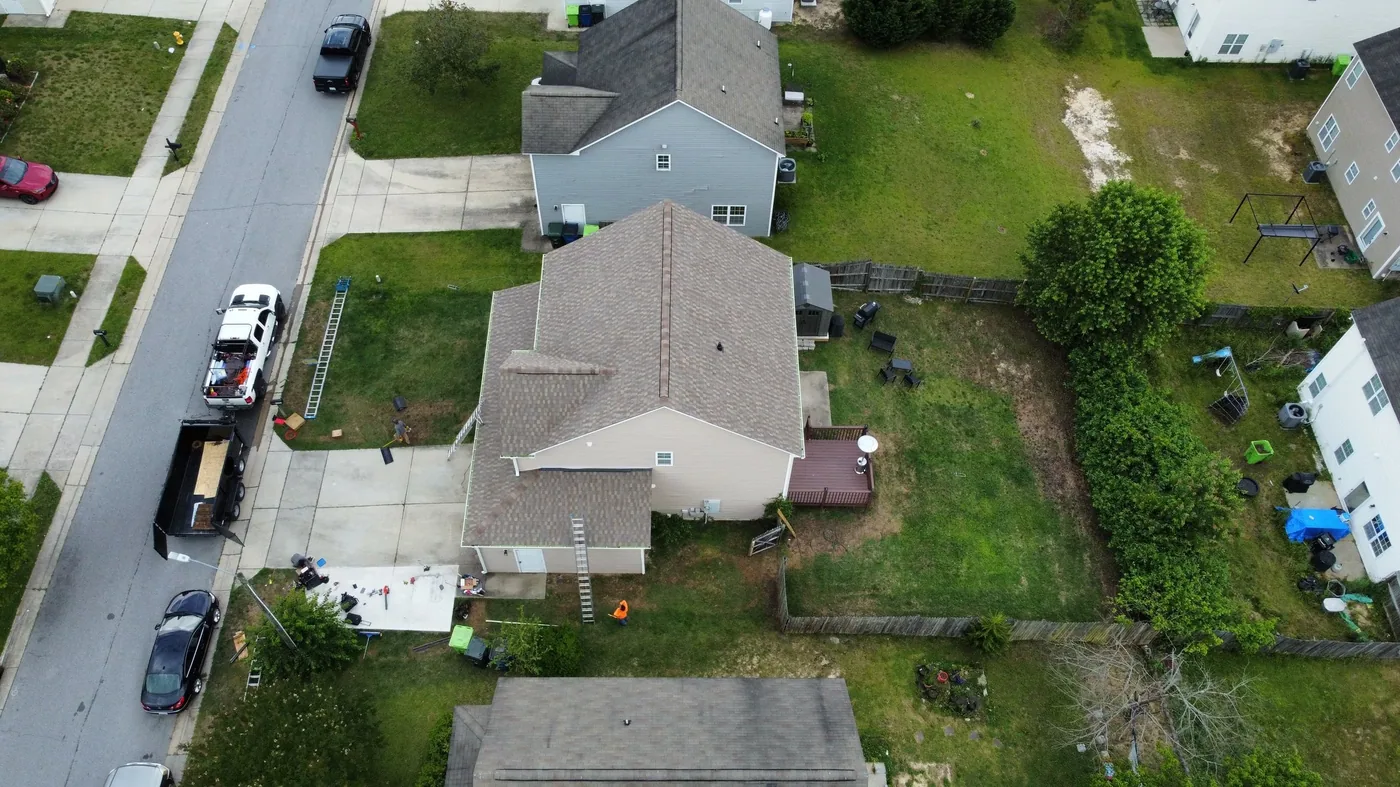
Methods that go beyond the maker’s instructions may void a limited warranty, per IKO.
Start with a bleach-free moss-specific cleaner. Avoid zinc sulfate if you have copper gutters or flashing.
Use a low-pressure hose only, and rinse all cleaner off.
Trim shade, add a ridge strip and clean the gutters.
It depends on roof size, pitch, how thick the moss is and whether you do it yourself or hire someone. Doing it yourself costs the price of a cleaner and a sprayer. We do not publish a professional price because Lamar Homes does not list moss removal as a service.
The manufacturer sources we checked describe diluted bleach, not vinegar. IKO gives a mix of two cups of chlorine bleach to two gallons of water, but warns that high concentrations can permanently damage shingles. A moss-specific cleaner that is bleach-free is IKO's first choice.
IKO lists a mix of eight ounces of dish soap in two gallons of water as a homemade option, left on for 15 to 20 minutes and then rinsed at low pressure. A moss-specific cleaner is the safer first choice.
None of the manufacturer or extension sources we checked gives a calendar date. Follow the product label for temperature and rain, and plan around a dry spell with a gentle rinse, since cleaner left on the shingles can damage them.
No. ARMA, the shingle makers' trade body, says not to use a power washer, a brush or a broom on a roof. IKO warns that pressure can break the shingle's adhesive and strip its granules, and can cause leaks.
It can. Moss depends on shade and moisture, so OSU Extension says the most effective long-term fix is more sunlight on the roof, such as trimming nearby trees. A metal strip at the ridge helps prevent new growth but will not clear existing moss.
We get on the roof, photograph what is actually there, and hand you a written report with a price. No charge, and no obligation to book the work with us.
Prefer to talk? Call (984) 224-7182.