
Veteran Discounts Available
Home
Recent Projects
Contact
Schedule Appointment Call (984) 224-7182
Guide

Roof Valley Types: Open, Closed-Cut and Woven

A valley carries the water of two roof slopes at once. Here are the three ways to build one, which ones GAF approves for architectural shingles, and why valleys are where so many leaks start.

The table

Three roof valley types, compared

A valley is where two roof slopes meet and carry the water of both. It takes more water than any other line on the roof, which is why the method matters.

ValleyHow it is builtWorks with architectural shingles?Look
Open valleyMetal valley liner left exposed down the center, shingles trimmed back from itYesA visible metal channel
Closed-cut valleyOne slope’s shingles run through the valley, the other slope’s are cut 2 inches short of the center lineYesClean shingle line, no metal showing
Woven valleyShingles from both slopes interlaced across the valley, course by courseNo, for laminated shingles such as GAF TimberlineWoven, fully shingled

Methods and approvals from the GAF Pro Field Guide for steep slope roofs and GAF technical bulletin R-136, valley flashing options. GAF lists open and closed-cut valleys as acceptable for all Timberline shingles, and woven valleys as not acceptable.

In detail

What each valley is for

Every method starts the same way underneath: a full 36 inch strip of leak barrier down the valley, with underlayment lapped over it. The difference is what goes on top.

Open valley, the most water-handling and the easiest to repair

Metal liner 20 inch minimum, 24 gauge minimum, per GAF.

A metal valley liner runs down the center and stays exposed. GAF calls for at least 20 inch wide aluminum, galvanized steel or copper, 24 gauge or heavier, nailed only at its edges. The shingles are kept back 6 inches apart at the top of the valley and the gap widens 1/8 inch per foot toward the eave, because the water volume grows on the way down.

Debris washes off metal more easily than off shingles, and the valley can be inspected and repaired without disturbing the shingles on either slope.

The catch. You can see it. Some homeowners like the metal line and some do not. The metal has to be non-corroding and non-staining, and nailing through it causes leaks.
Closed-cut valley, the clean look most Triangle homes have

Approved for all Timberline shingles no metal showing.

The shingles from one slope, normally the larger one, run across the valley and at least 12 inches up the other side. The other slope’s shingles are laid over them and cut on a line 2 inches from the valley center, with the top corners clipped at 45 degrees and the cut edge sealed with roof cement.

It gives a tidy, all-shingle valley and suits architectural shingles, which is why it is the method you see on most reroofs here.

The catch. The cut line and the no-nails zone matter. GAF says no nails within 6 inches of the valley center, because the water volume there will find any nail hole.

Woven valley, fine on 3-tab, wrong for architectural shingles

Not acceptable for Timberline per GAF.

Shingles from both slopes are woven across the valley, each extending at least 12 inches past the center. It is quick and fully shingled, and on single-thickness 3-tab shingles it performs well.

GAF’s bulletin is clear that woven valleys should not be used with laminated shingles such as Timberline. The thicker shingles crack and break when bent across the valley.

The catch. Most new roofs in the Triangle use architectural shingles. If a quote for an architectural shingle roof says “woven valleys”, ask why.

Choosing

Which valley should your roof have?

On a GAF architectural shingle roof, the real choice is open or closed-cut.

Pick open if the valley is long, steep-sided or under trees that drop debris. The exposed metal sheds water and leaves fastest and is the easiest to service later.

Pick closed-cut if you want an all-shingle look and the valley is a normal length. Done to the manufacturer’s instructions, it is a durable valley and the most common one on Triangle reroofs.

Avoid woven unless the roof is 3-tab. Our architectural vs 3-tab guide explains the difference between the two shingle types.

Valleys are also one of the most common places a roof leaks. If yours is, our roof leak guide covers what to check first, and roof repair is where to book it.

Where it goes wrong

Why valleys leak

Valleys collect water from two slopes at once, so small mistakes show up here first. The common ones we find: nails driven too close to the valley center, a cut line that drifted, missing leak barrier under the valley, and woven valleys on architectural shingles that cracked at the fold.

Debris is the other cause. Leaves and pine needles pile up in a closed valley, hold water against the shingles and push it sideways under them. Keeping valleys clear is part of the same job as gutter cleaning.

A valley leak usually shows on the ceiling below the inside corner of two roof planes. We check every valley on a free roof inspection.

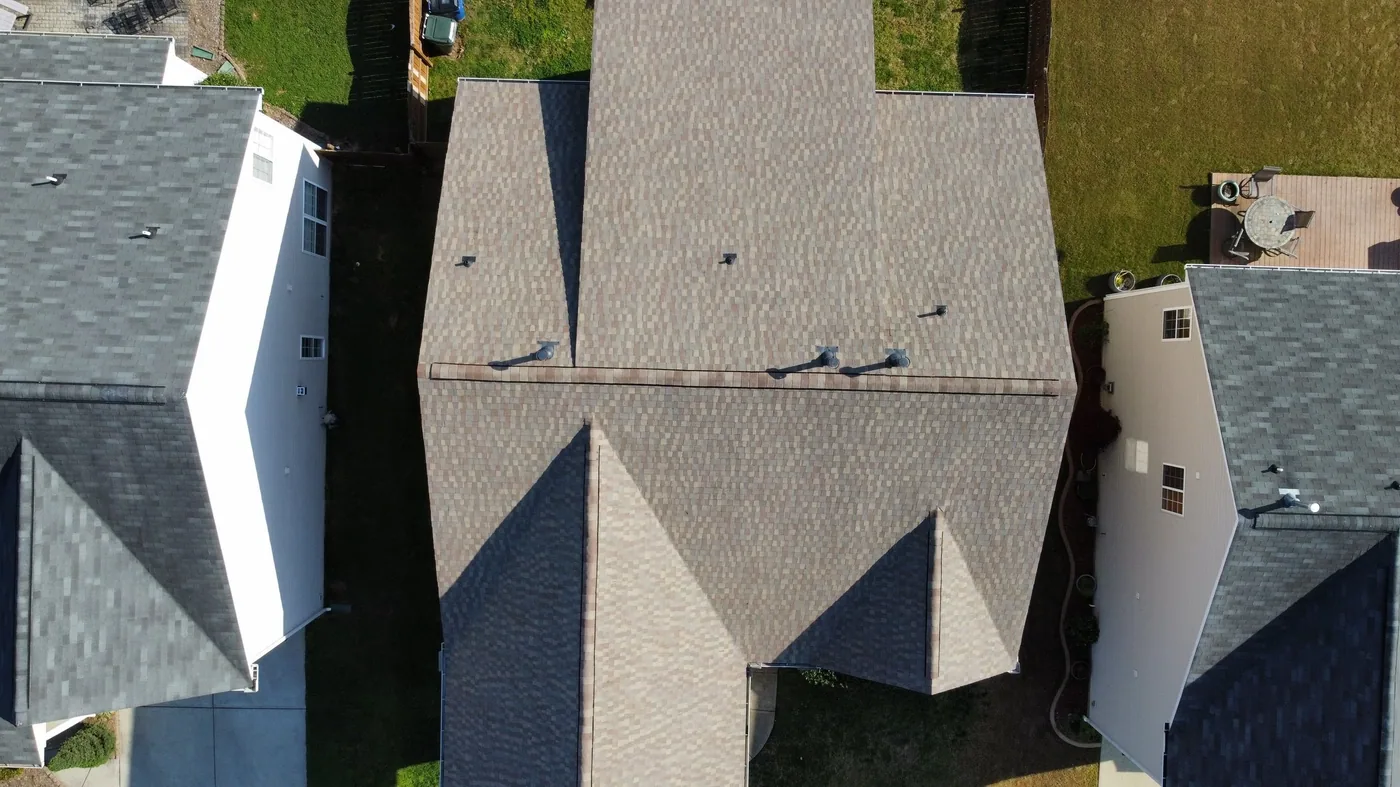
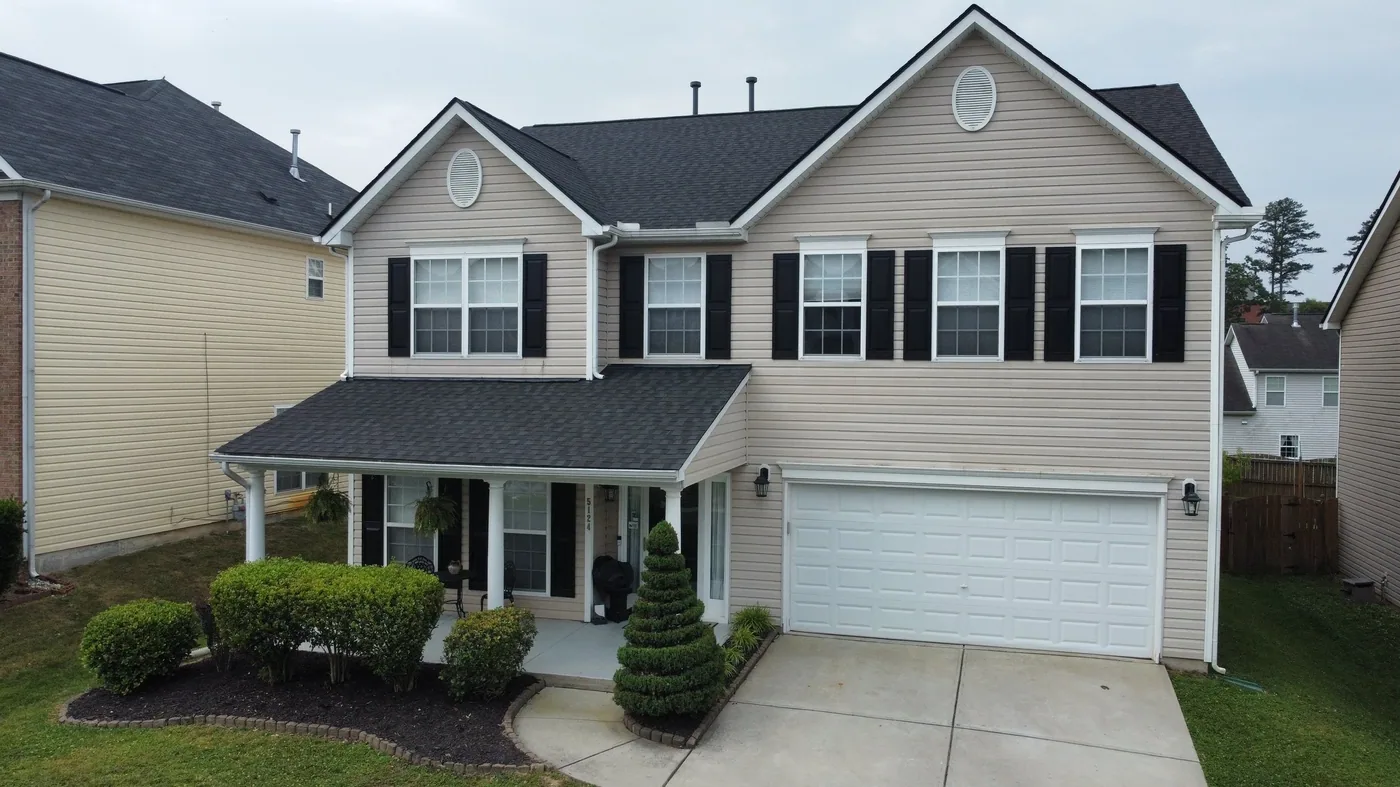
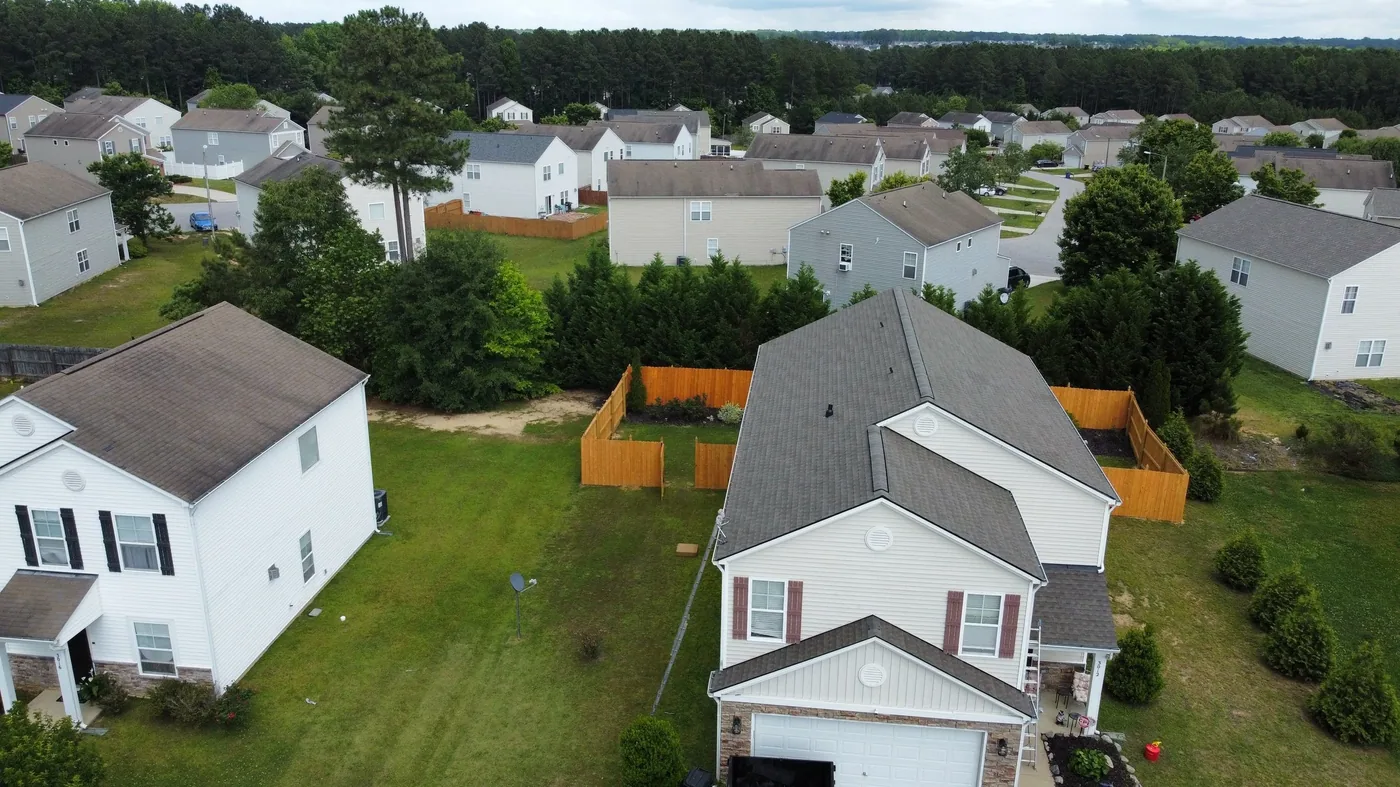
Shingle roof with valleys installed by Lamar Homes
Keep reading

Related guides and calculators

Prefer to write to us?

Send us a message

We’re always here to help! Whether you just have a general question or you are wanting to schedule a FREE inspection, fill out the form and someone from our team will be in contact with you.

  • Free inspection, no obligation to buy
  • Personalized written estimate
  • Financing and insurance claim support
  • Residential and commercial properties
  • Monday – Saturday, 10am – 6pm
  • 3700 Western Blvd, Raleigh, NC 27606

Roof valley questions

What are the types of roof valleys?

There are three main types: open valleys with exposed metal down the center, closed-cut valleys where one slope’s shingles are cut along a line over the other’s, and woven valleys where shingles from both slopes are interlaced. All three sit over a 36 inch strip of leak barrier.

Is an open or closed valley better?

Both are approved by GAF for architectural shingles. Open valleys handle more water and debris and are easier to repair. Closed-cut valleys look cleaner and are the most common on reroofs here. For long valleys under trees, we lean toward open.

What is a closed valley on a roof?

A valley covered with shingles so no metal shows. On architectural shingles it is built as a closed-cut valley: one slope runs through, and the other is cut 2 inches from the center line and sealed.

Can you weave architectural shingles in a valley?

No. GAF says woven valleys should not be used with laminated shingles such as Timberline, because the thicker shingles crack and break when bent across the valley. Woven valleys are for 3-tab shingles.

How wide should valley metal be?

GAF calls for at least 20 inch wide aluminum, galvanized steel or copper, 24 gauge minimum, and notes that long valleys or local codes may require wider metal.

Why is my roof leaking in the valley?

The usual causes are nails too close to the valley center, missing or damaged leak barrier, debris holding water in the valley, or cracked shingles in a woven valley. A leak typically shows on the ceiling under the inside corner where two roof planes meet.

Still have questions? Call (984) 224-7182 or email clients@lamarhomes.net.

All roofing FAQs

Give us a call or fill out our form today to schedule your free inspection!

Whether you need a roof replacement, roof repair, or annual inspection, we’ve got you covered.

Call Now Free Inspection